Intro and Brief Recap
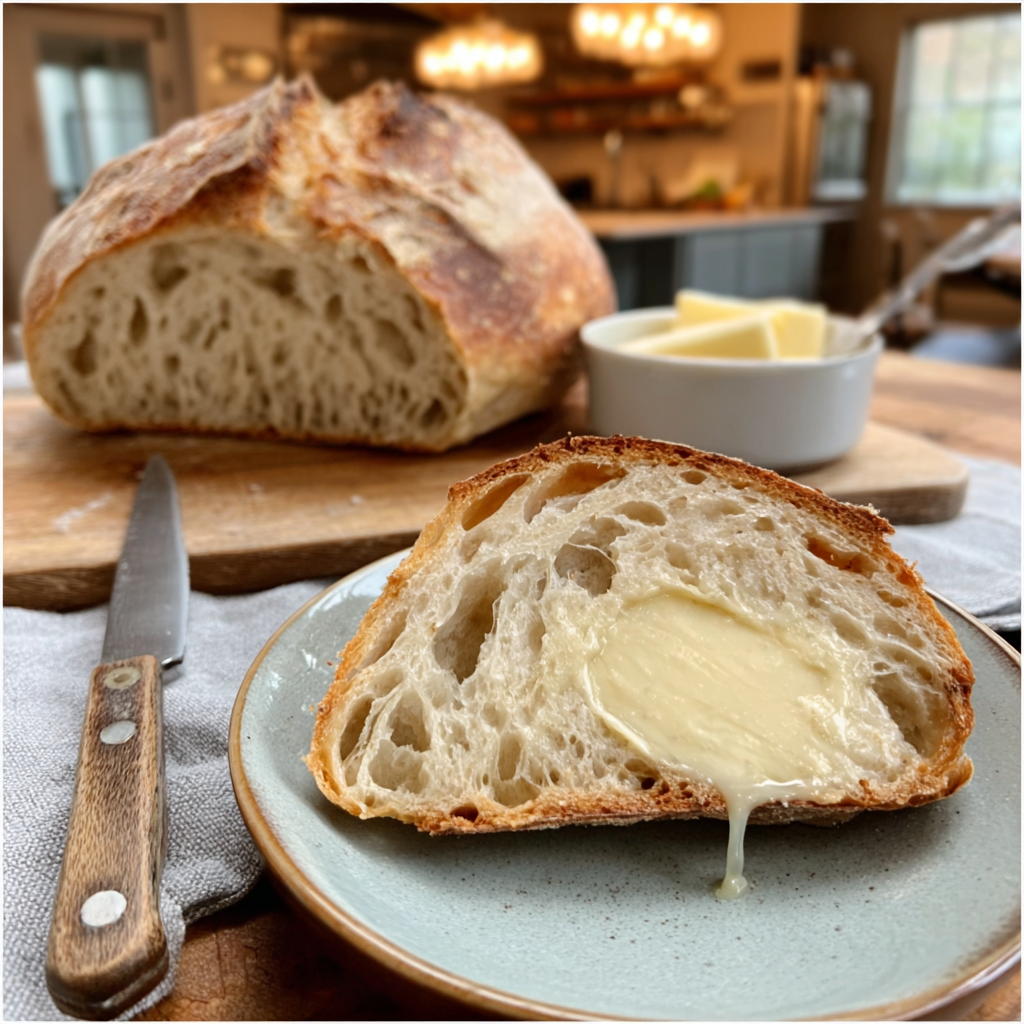
Have you ever experienced the sheer delight of tearing into a warm loaf of freshly baked artisan bread? The crust crackles beneath your fingers, revealing a soft, airy interior that beckons you to take a bite. This artisan bread recipe promises an explosion of flavors, with hints of nuttiness and sweetness dancing on your palate. It’s a sensory experience that combines the comforting aroma of yeast with the satisfaction of creating something from scratch.
Baking bread has been a cherished tradition in many households for generations. I vividly recall my grandmother’s kitchen, filled with the warmth and smell of her homemade loaves. Every holiday, we would gather around the table, breaking bread together and sharing stories. This artisan bread recipe captures that same spirit, making it perfect for family gatherings or cozy evenings at home. With just a few simple ingredients and some patience, you can create a delightful loaf that not only nourishes but also brings people together. Get ready for an incredible flavor journey!
Key Ingredients For Artisan Bread Recipe
Here’s what you’ll need to make this delicious dish:
- All-Purpose Flour: Use high-quality flour for the best texture; it forms the base of your dough.
- Active Dry Yeast: Choose fresh yeast to ensure proper rising; this is crucial for achieving that light, airy crumb.
- Warm Water: The water should be around 110°F (43°C) to activate the yeast effectively.
- Salt: This enhances flavor while controlling yeast activity; opt for fine sea salt for even distribution.
- Olive Oil: A small amount adds richness and helps achieve a golden crust; use extra virgin oil for more flavor.
The full ingredients list, including measurements, is provided in the recipe card directly below.
Instructions For Artisan Bread Recipe
Follow these simple steps to prepare this delicious dish:
First Step: Gather Your Ingredients
Start by measuring out all your ingredients accurately. Having everything ready will streamline the mixing process.
Second Step: Activate the Yeast
In a bowl, combine warm water and active dry yeast. Allow it to sit for about 5-10 minutes until it becomes frothy. This step ensures your yeast is active and ready to work its magic.
Third Step: Mix the Dough
In a large mixing bowl, combine all-purpose flour and salt. Gradually add the frothy yeast mixture along with olive oil. Stir until a shaggy dough forms.
Fourth Step: Knead the Dough
Turn the dough onto a floured surface and knead it for about 10 minutes until smooth and elastic. If it’s sticky, sprinkle in a little more flour as needed.
Fifth Step: Let It Rise
Place the dough in an oiled bowl, cover it with plastic wrap or a damp cloth, and let it rise in a warm area for about one hour or until doubled in size.
Sixth Step: Shape and Bake
Preheat your oven to 450°F (232°C). Punch down the risen dough gently to release air bubbles. Shape it into a round loaf or place it in a loaf pan. Bake for 25-30 minutes or until golden brown and sounds hollow when tapped on the bottom.
Transfer to plates and enjoy your fresh artisan bread warm or toasted!
Expert Tips
Here are some helpful tips to ensure the best results for your dish:
- Temperature Matters: Ensure your water is warm but not hot; too high can kill the yeast.
- Kneading Technique: Use both hands when kneading; push down and fold over repeatedly for optimal gluten development.
- Flavor Enhancement: For added depth, consider incorporating herbs or cheese into your dough before baking.
Presentation Ideas
This Artisan Bread Recipe is versatile and pairs wonderfully with:
- Olive Oil and Balsamic Vinegar: Drizzle a high-quality olive oil and balsamic vinegar mix for a simple yet elegant appetizer. The bread’s crusty exterior absorbs the flavors beautifully.
- Cheese Platter: Serve slices of this artisan bread alongside a variety of cheeses like brie, gouda, or aged cheddar. This combination enhances the tasting experience.
- Soups and Stews: Enjoy your artisan bread as a side to rich soups or hearty stews. Its texture complements and soaks up the delicious broth perfectly.
Storage Tips
To keep your artisan bread fresh, consider these storage tips. First, store the bread in a paper bag at room temperature for short-term use. Avoid plastic bags as they can make the crust soggy. For longer storage, slice the bread and place it in an airtight container or freezer bag, then freeze it. When you’re ready to enjoy it again, simply thaw at room temperature or warm in the oven for that fresh-baked taste.
Baking Variations
Explore different flavor profiles with this artisan bread recipe by trying out various baking variations. You can add herbs like rosemary or thyme directly into the dough for an aromatic twist. Another option is to incorporate ingredients such as olives, sun-dried tomatoes, or cheese for a gourmet touch. You might also experiment with different types of flour; whole wheat flour adds nuttiness while rye flour offers depth.
FAQs:
What makes artisan bread different from regular bread?
The unique qualities of artisan bread
Artisan bread stands out due to its traditional methods and high-quality ingredients. Unlike mass-produced varieties, artisan loaves often feature longer fermentation times, which enhances flavor complexity and texture. The use of natural starters gives it a distinct sourdough taste that many find appealing. Additionally, bakers often emphasize handcrafting techniques—such as shaping and scoring—to create distinctive crusts and patterns.
How long does homemade artisan bread last?
Understanding the shelf life of your loaf
Typically, homemade artisan bread lasts about 2 to 3 days when stored correctly at room temperature. To maintain its freshness, keep it in a paper bag rather than plastic. If you want to extend its shelf life further, consider freezing it. Slicing before freezing allows you to take out individual pieces as needed without defrosting the entire loaf at once.
Can I customize my artisan bread recipe?
Personalizing your baking experience
Absolutely! One of the joys of making this artisan bread recipe is its versatility. You can customize it by adding seeds like sesame or poppy for extra crunch. You might also include dried fruits such as cranberries or apricots for sweetness. Adjusting hydration levels can influence crust thickness—higher hydration leads to a more open crumb structure.
Is it difficult to bake artisan bread at home?
The accessibility of home baking
Baking artisan bread at home may seem daunting initially, but it’s quite achievable with practice and patience. The key lies in understanding fermentation times and proper kneading techniques. Beginners should start with simple recipes that outline each step clearly before advancing to more complex variations. With time, you will gain confidence in your skills and enjoy the process significantly!
Artisan Bread
Artisan bread is a warm, inviting treat that will transform your home with its delightful aroma. This simple recipe yields a crusty loaf with a soft, airy interior, perfect for sharing at family gatherings or cozy evenings. With just a few quality ingredients and minimal effort, you can create this homemade delight that’s bursting with flavor.
- Prep Time: 15 minutes
- Cook Time: 30 minutes
- Total Time: 45 minutes
- Yield: Approximately 12 servings 1x
- Category: Bread
- Method: Baking
- Cuisine: General
Ingredients
- 4 cups all-purpose flour
- 2 tsp active dry yeast
- 1 ½ cups warm water (110°F/43°C)
- 2 tsp fine sea salt
- 2 tbsp extra virgin olive oil
Instructions
- Gather your ingredients and measure them accurately.
- In a bowl, combine warm water and yeast; let it sit for 5-10 minutes until frothy.
- In a large mixing bowl, mix flour and salt. Gradually add the yeast mixture and olive oil; stir until a shaggy dough forms.
- Knead the dough on a floured surface for about 10 minutes until smooth and elastic.
- Place the dough in an oiled bowl, cover it, and let it rise in a warm area for about 1 hour or until doubled in size.
- Preheat your oven to 450°F (232°C). Punch down the risen dough, shape it into a loaf, and bake for 25-30 minutes until golden brown.
Nutrition
- Serving Size: 1 serving
- Calories: 130
- Sugar: 0g
- Sodium: 190mg
- Fat: 2g
- Saturated Fat: 0.3g
- Unsaturated Fat: 1.7g
- Trans Fat: 0g
- Carbohydrates: 25g
- Fiber: 1g
- Protein: 4g
- Cholesterol: 0mg